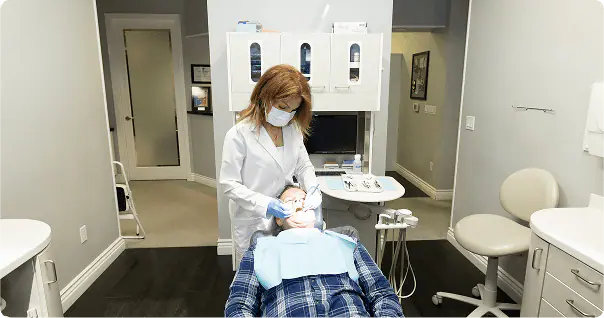

Why your diet matters after dental implant surgery
Choosing the best foods after dental implant surgery helps control pain, reduce swelling, and protect the implant site while bone and soft tissue heal.
How eating affects implant healing
Tissue repair needs calories, protein, vitamins, and minerals. A soft, nutrient‑dense diet minimizes mechanical stress on the surgical site and reduces the risk of dislodging the clot or stitches. Clinical evidence and implant guidelines report high implant survival when post‑op care, including diet and oral hygiene, is followed correctly — long‑term implant survival rates are typically above 90–95% in healthy patients, reinforcing why careful aftercare matters (see professional guidance from the American Academy of Implant Dentistry and peer‑reviewed implant literature).
Recovery timeline and recommended foods
Healing after dental implant placement follows a predictable timeline. Below are food recommendations matched to each phase so you get enough nutrients without risking the surgical site.
Day 0–3: Immediate post‑op (soft, cool, and soothing)
Focus on liquids and very soft foods while bleeding and swelling peak. Cool temperatures can reduce inflammation and soothe the area.
- Bone‑broth, strained soups (lukewarm, not hot)
- Protein shakes and smoothies (use a spoon; avoid straws — suction can dislodge the clot)
- Greek yogurt, cottage cheese, pudding
- Mashed avocado, mashed banana, applesauce
- Soft scrambled eggs
Day 4–7: Transition to thicker, soft solids
Swelling and tenderness usually decline. Start thicker purees and soft solids you can cut easily—still avoid biting directly on the surgical side.
- Well‑cooked oatmeal or cream of wheat
- Pureed or mashed vegetables (carrots, sweet potato)
- Soft fish (poached or steamed), flaked finely
- Soft pasta, risotto
- Soft tofu and well‑cooked legumes mashed if needed
Weeks 2–4: Increasing texture, careful chewing
As pain subsides and stitches (if non‑resorbable) are removed, gradually reintroduce more textured foods. Avoid hard, crunchy, or sticky items until your clinician confirms adequate healing.
- Ground lean meats, soft poultry
- Soft whole fruits (ripe peaches, melon) cut into small pieces
- Steamed vegetables that are fork‑tender
- Soft sandwiches without crusts; avoid nuts and seeds
At‑a‑glance comparison: Foods to eat vs foods to avoid
| Category | Safe (first 1–2 weeks) | Avoid (first 4–8 weeks) |
|---|---|---|
| Proteins | Greek yogurt, protein shakes, scrambled eggs, soft fish | Steak, jerky, hard pork chops |
| Carbohydrates | Mashed potatoes, soft pasta, cooked cereals | Crusty bread, hard taco shells, popcorn |
| Vegetables & fruits | Pureed soups, banana, avocado, cooked carrots | Raw apples, raw carrots, nuts, seeds |
| Temperature & texture | Lukewarm or cool; soft/pureed | Very hot drinks, crunchy, chewy, sticky textures |
| Drinks | Water, milk, non‑carbonated beverages (sip gently) | Alcohol (early healing), carbonated beverages, use of straws |
Key nutrients that speed healing (and food examples)
A clinician‑focused diet emphasizes specific nutrients. Below are priorities and concrete food options to include in your recovery plan.
- Protein: Essential for collagen formation and wound healing. Aim for at least 20–30 g per meal during early recovery when possible. Choose Greek yogurt, eggs, soft fish, tofu, or blended protein shakes.
- Vitamin C: Supports collagen synthesis and immune response. Add mashed berries, orange juice (diluted), or cooked bell peppers when tolerated.
- Zinc: Important for tissue repair. Sources include mashed legumes, pureed pumpkin seeds (later stages), and meat purees.
- Calcium & Vitamin D: Critical for bone remodeling around the implant. Dairy smoothies, fortified plant milks, and soft cheeses help maintain intake.
- Fluids & electrolytes: Maintain hydration; consider broths and oral rehydration if appetite is low.
Sample 3‑day meal plan (practical, nutrient‑dense)
This plan assumes no dietary restrictions. Modify for allergies or preferences; always follow your surgeon’s specific instructions.
- Day 1 (Immediate post‑op)
- Breakfast: Greek yogurt with mashed banana (spoon)
- Lunch: Strained chicken broth + protein smoothie (no straw)
- Snack: Applesauce
- Dinner: Pureed vegetable soup (lukewarm)
- Day 3–4
- Breakfast: Soft scrambled eggs and mashed avocado
- Lunch: Creamy risotto or well‑blended lentil soup
- Snack: Cottage cheese with soft fruit
- Dinner: Poached white fish flaked into soft rice
- Day 7
- Breakfast: Oatmeal with mashed berries
- Lunch: Soft pasta with pureed vegetable sauce and shredded chicken
- Snack: Smooth nut‑butter blended into yogurt (if allowed)
- Dinner: Ground turkey meatball with mashed sweet potato
Smoothies vs soft solids — which is better?
Smoothies are convenient and can pack high protein, calories, and vitamins. However, they carry two caveats: avoid using straws, and watch for high sugar content that can encourage oral bacteria. Soft solids (eggs, mashed vegetables) require gentle chewing but often provide longer satiety and texture variety. Use a mix: start with spoonable smoothies and purées then add soft solids as pain allows.
Practical eating tips from clinicians
- No straws: Sucking creates negative pressure and risks dislodging the blood clot (avoid for at least 7–10 days).
- Small bites: Cut food into small pieces and chew on the opposite side when possible.
- Avoid alcohol and smoking: Both slow healing and increase infection risk; follow your surgeon’s guidance on when to resume.
- Temperature matters: Very hot foods can increase bleeding; aim for lukewarm or cool items early on.
- Medication timing: Take analgesics and antibiotics as prescribed with a safe, soft food to prevent nausea.
Foods that commonly cause problems (and why)
Certain foods are associated with complications after oral surgery.
- Crunchy items (nuts, chips, popcorn): Can lodge in the socket and irritate the wound.
- Sticky candies or chewing gum: Adhere to dressings and sutures.
- Spicy foods: May irritate exposed tissues and increase discomfort.
- Alcohol: Impairs immune response and can interact with prescriptions like antibiotics or opioids.
When to call your dentist or surgeon
Contact your provider immediately if you experience any of the following:
- Persistent or increasing bleeding after 24 hours
- Severe uncontrolled pain despite medication
- Fever > 100.4°F (38°C) or signs of systemic infection
- Swelling that worsens after 48–72 hours or difficulty breathing
If you have questions about your specific implant plan or need personalized dietary instructions based on medical conditions, our team at Valencia Smile can help. See our services overview for related care options, and schedule an appointment to discuss a tailored recovery plan with your clinician.
Frequently Asked Questions
What are the absolute best foods after dental implant surgery?
The safest early foods are spoonable, soft, and nutrient‑dense: protein shakes (taken with a spoon), Greek yogurt, pureed soups, mashed potatoes, and soft scrambled eggs. These minimize mechanical stress and supply the protein and energy needed for healing.
How long should I avoid hard or crunchy foods?
Avoid hard, crunchy, or sticky foods for at least 4–8 weeks depending on your surgeon’s assessment. Full osseointegration (bone bonding to the implant) can take several months — follow your clinician’s timeline for returning to normal chewing.
Can I use smoothies for all my meals after surgery?
Smoothies can replace meals early on but should be spooned rather than sipped. Ensure they are balanced: include a protein source (Greek yogurt or protein powder), fruits/vegetables, and a healthy fat to support healing and appetite.
Are there specific vitamins I should take to help bone healing?
Dietary vitamin C, zinc, calcium, and adequate protein support wound and bone healing. Most patients get enough from a balanced diet, but supplements may be advised for deficiencies — check with your dentist or primary care provider before starting supplements.
When can I resume chewing on the implant side?
Only after your dentist confirms sufficient soft tissue and initial bone healing — often several weeks. Begin with soft, bite‑controlled foods and increase load gradually under guidance.
My appetite is low — how do I avoid losing too much weight?
Focus on calorie‑dense, soft options: full‑fat Greek yogurt, smoothies with nut butter (if allowed), cream‑based soups, and soft mashed potatoes. Small, frequent meals help maintain intake when appetite is limited.
Conclusion
Choosing the best foods after dental implant surgery balances two goals: protect the surgical site from mechanical stress and supply the calories, protein, and micronutrients your body needs to heal. Start with spoonable, cool or lukewarm, nutrient‑dense foods, progress to soft solids as pain decreases, and follow your clinician’s timeline for returning to regular textures. If you’re a Valencia Smile patient and want a customized nutrition plan for your implant recovery, schedule an appointment and we’ll walk you through a safe, effective recovery diet.